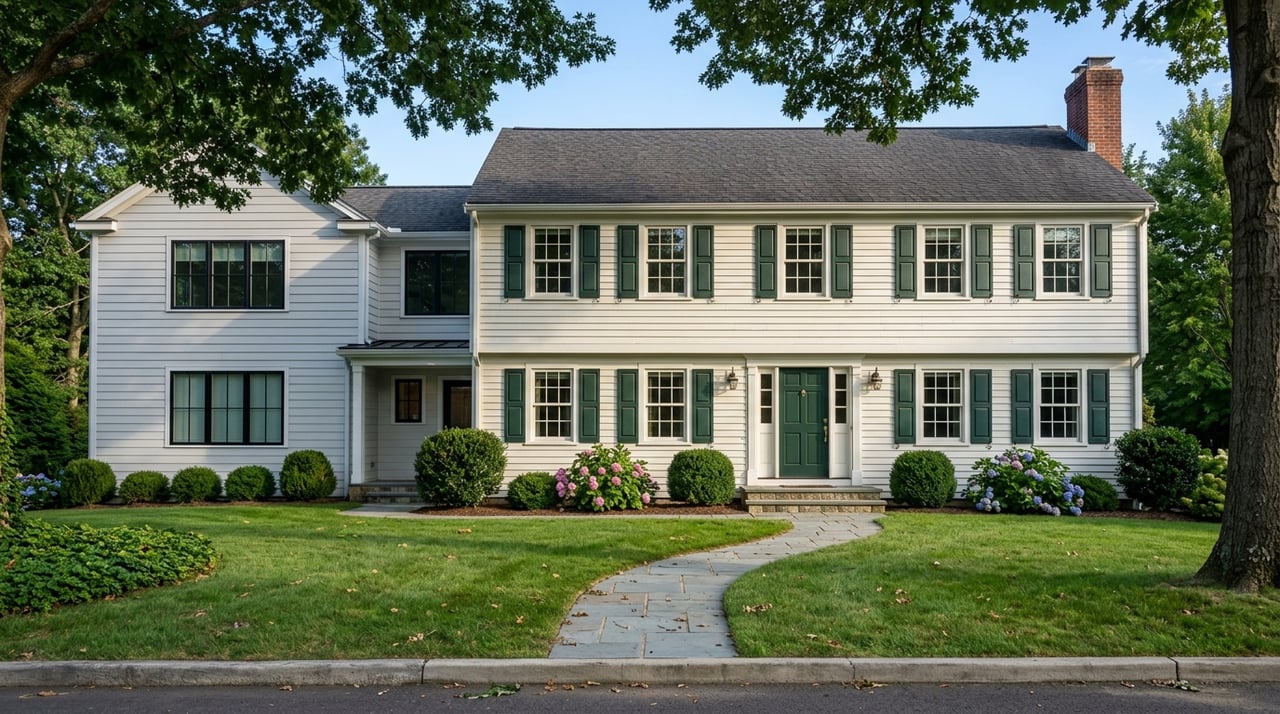
Choosing between a historic home and a newer one in Short Hills is not just about style. It is about how you want to live day to day, how much upkeep you are comfortable with, and how important original character is to your decision. If you are weighing both options, understanding the tradeoffs can help you buy with more confidence. Let’s dive in.
What “historic” means in Short Hills
In Short Hills, “historic” usually means more than simply old. Millburn Township identifies long-standing historic districts including Short Hills Park and Wyoming, and the Short Hills Village historic district was created to preserve the area’s historic character from its key growth period of 1890 to 1940.
That local history still shapes the market today. Short Hills developed around the rail line, and the Short Hills station remains an NJ Transit stop on the Morris & Essex Line and Gladstone Branch. For buyers, that means some homes connect directly to the village-era story that helped define the community.
Historic district rules matter
If a home is located in a local historic district, exterior updates may be reviewed differently than they would be elsewhere. Millburn’s historic preservation ordinance states that exterior changes generally require a Certificate of Appropriateness.
This can apply to projects involving windows, doors, roofing, porches, railings, exterior materials, lighting, solar panels, and demolition. Ordinary maintenance, interior painting, and structural repairs that do not change the exterior appearance are generally not part of that review process.
Historic homes: character and detail
Historic homes in Short Hills often stand out for architectural identity. Local documentation for Short Hills Village references styles such as Queen Anne, Colonial Revival, and Tudor Revival.
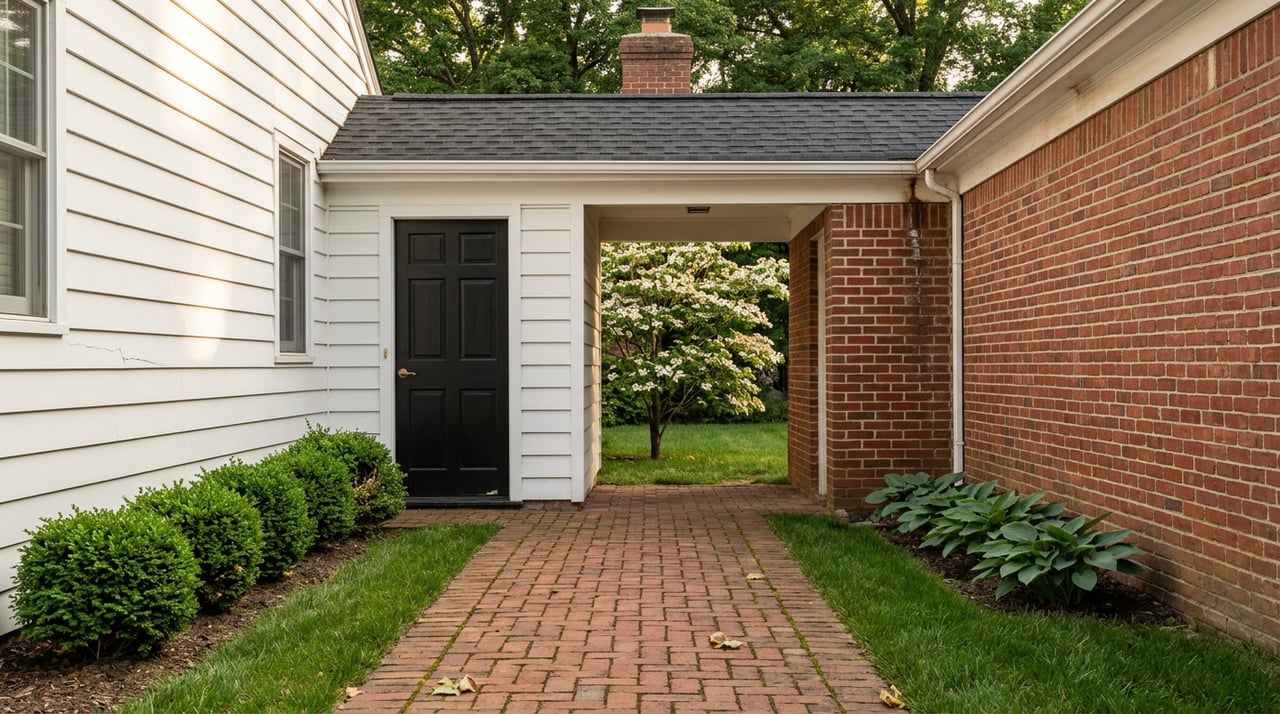
In practical terms, that can mean steeply pitched roofs, decorative brickwork, ornate chimneys, leaded or multi-pane windows, symmetrical facades, columns, and distinctive porch details. If you value craftsmanship and a home that feels tied to the area’s earlier development, these details can be a major draw.
The feel of older floor plans
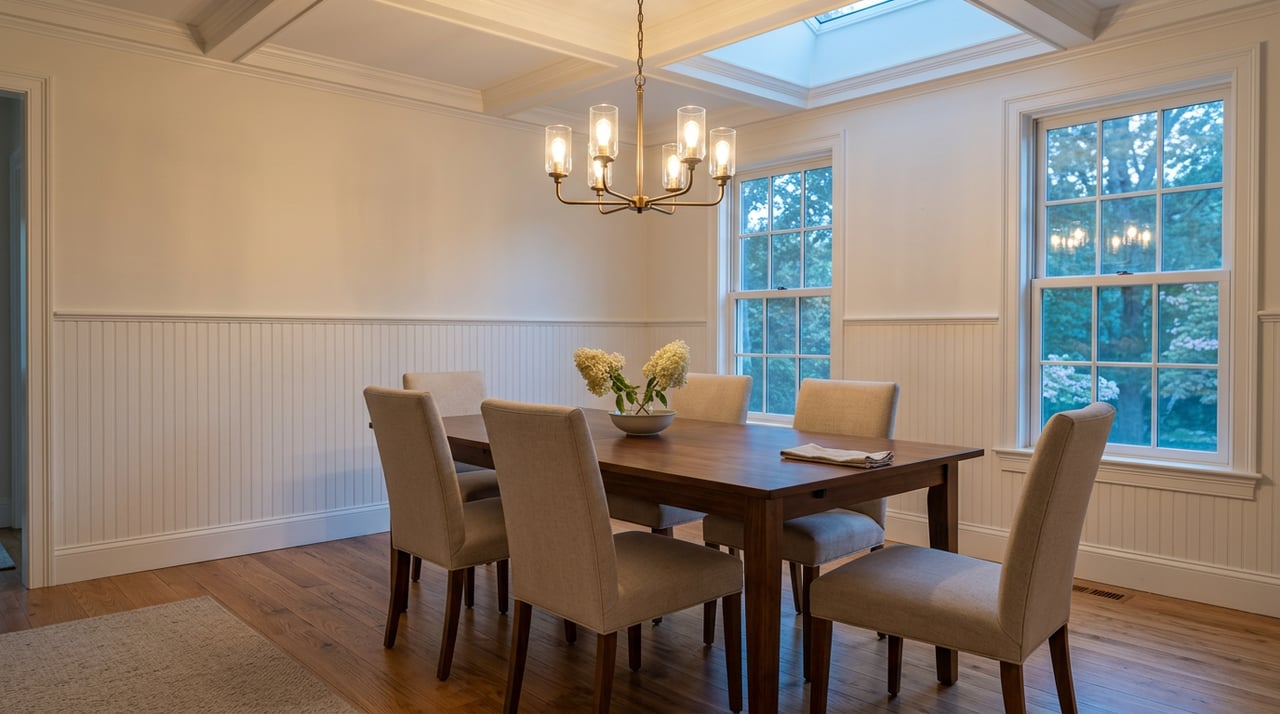
Many older homes have a more formal layout. Rooms may be more defined and separated from one another, which can create a sense of structure and privacy.
That same layout can feel less open for casual entertaining or large everyday gathering spaces. If you picture everyone naturally flowing between the kitchen and family room, a historic layout may feel different unless the home has been thoughtfully updated.
Newer homes: function and flexibility
Newer homes often appeal to buyers who want spaces designed around modern routines. Open layouts, larger kitchens, and family-room flow are common features that support informal living, working from home, and hosting with less friction.
New construction also tends to include higher ceilings, more windows, more storage, and features such as walk-in pantries and dedicated laundry rooms. For many buyers, that makes day-one living feel easier and more predictable.
Why newer layouts feel easier
A newer home is often built around how people use space now. The kitchen usually acts as a central hub, and living areas are often connected rather than divided into smaller rooms.
If you want flexibility for remote work, hobbies, storage, or casual gatherings, a newer home may align more naturally with those priorities. The benefit is not just visual openness. It is also everyday convenience.
Energy efficiency differences
One of the biggest gaps between historic and newer homes is often energy performance. New Jersey’s current Uniform Construction Code uses the 2021 IECC for low-rise residential energy code and the 2021 IRC for one- and two-family dwellings, adopted on September 6, 2022.
That matters because new homes are built to modern standards for insulation, windows, HVAC, lighting, and related systems. In many cases, newer construction offers a more efficient starting point without the need for immediate upgrades.
What older homes may need
Older homes often have less insulation than homes built today. According to the U.S. Department of Energy, homeowners can often reduce energy costs by adding insulation and air sealing.
The same guidance notes that better windows, doors, and skylights can help cut heating and cooling costs. In some cases, low-e storm windows can also improve performance, though any exterior window-related work in a local historic district may need review depending on the scope.
What newer homes offer out of the box
Newer homes usually make lower operating friction easier to achieve from the start. EPA says ENERGY STAR certified new homes are at least 15% more energy efficient than homes built to current code, and typically 20% to 30% more efficient than standard new homes.
That does not mean every newer home performs the same, or that every older home performs poorly. It does mean that if efficiency is high on your list, newer construction often gives you a simpler path.
Maintenance and renovation tradeoffs
Historic homes often ask more of you over time. Part of that is normal aging, and part of it is the preservation-minded approach required when a home sits within a historic district.
Exterior changes that might feel routine elsewhere can involve more documentation and review in Millburn’s historic districts. That does not make updates impossible. It simply means the process may be more careful and more timeline-sensitive.
Where historic ownership can feel different
If you buy a historic home, you may need to think more deliberately about exterior work. Replacing windows, changing roofing materials, altering porch details, updating exterior lighting, or adding solar panels may require additional review.
For some buyers, that is a fair trade for architectural character and a strong sense of place. For others, it can feel like extra complexity, especially if they want fast, visible changes after closing.
Why newer homes feel more predictable
Newer homes usually come with fewer immediate maintenance concerns because major systems, finishes, and code-compliant components are newer. Many buyers also value the warranty often associated with a brand-new home.
New homes are also commonly designed around current technology needs, with more outlets and better support for modern electrical demands. If you want fewer near-term projects, that predictability can be a real advantage.
Which type of home fits you best?
The right choice in Short Hills often comes down to your priorities. Neither option is universally better. Each serves a different kind of buyer experience.
Historic homes often fit buyers who want:
- Distinct architectural detail
- A connection to Short Hills’ earlier village-era development
- More formal room separation
- Long-established neighborhood character
- A willingness to plan and budget for maintenance or approval-driven exterior work
Newer homes often fit buyers who want:
- Open-concept living
- Larger kitchen and family gathering spaces
- Flexible work-from-home or storage space
- Stronger energy performance from the start
- Fewer near-term capital projects and easier day-one function
A practical way to compare homes
When you tour homes in Short Hills, it helps to look past the surface. A beautiful Tudor or Colonial Revival home may offer charm you cannot replicate, while a newer home may deliver convenience that changes how comfortably you live every day.
A good comparison includes more than price and square footage. You should also weigh layout, future maintenance, likely energy upgrades, and whether a property is in a historic district with exterior review requirements.
How to make a confident Short Hills decision
The best home for you is the one that matches your priorities, not just your first reaction. If you love preserved character, make sure you also feel comfortable with the upkeep and review process that can come with it. If you prefer turnkey living, look closely at how newer homes support your routine, budget, and long-term plans.
In Short Hills, both historic and newer homes can be excellent choices. The key is knowing what each one asks of you, and what each one gives back in return.
If you are comparing homes in Short Hills and want local guidance grounded in how these properties really function from block to block, The Bigos Group can help you evaluate the tradeoffs and move forward with clarity.
FAQs
What is considered a historic home in Short Hills?
- In Short Hills, a historic home is often one located in or tied to areas recognized by Millburn Township for historic significance, especially homes connected to the 1890 to 1940 development period reflected in the Short Hills Village historic district.
Do historic homes in Short Hills have renovation restrictions?
- If a home is in a local historic district, exterior changes such as windows, doors, roofing, porches, materials, lighting, solar panels, or demolition may require a Certificate of Appropriateness, while ordinary maintenance and interior work generally do not.
Are newer homes in Short Hills usually more energy efficient?
- In general, yes. Newer homes are typically built to current code standards for insulation, HVAC, windows, lighting, and related systems, which often makes them more efficient from the start.
Do older homes in Short Hills always have closed floor plans?
- Not always, but many older homes were designed with more separate, formal rooms, which can feel less open than the layouts commonly found in newer construction.
Which is better in Short Hills: a historic home or a newer home?
- The better choice depends on your priorities. Historic homes often offer more architectural character and a stronger sense of local history, while newer homes often offer more open layouts, stronger energy performance, and fewer immediate maintenance needs.